Dysgraphia Evaluation
for Children and Teens
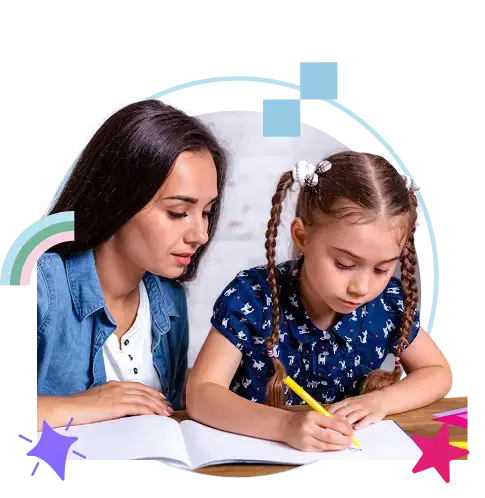
If your child struggles with writing, it can affect more than just schoolwork. It can impact confidence, frustration levels, and how they express what they know.
A dysgraphia evaluation helps you understand how your child processes writing so you can better support their learning and development.
When Parents
Start Asking Questions
Many parents reach out when writing feels much harder than it should.
You may be noticing:
- Messy or difficult-to-read handwriting
- Slow or effortful writing
- Trouble organizing thoughts on paper
- Avoiding writing tasks or becoming easily frustrated
- Strong verbal skills but difficulty expressing ideas in writing
Sometimes these challenges show up early. Other times, they become more noticeable as writing demands increase in school.
An evaluation helps clarify whether dysgraphia or another learning difference may be contributing.
What this
Evaluation Looks At
Dyslexia is related to how the brain processes language, especially reading and spelling.
This evaluation looks at:
- Handwriting and fine motor skills
- Written expression and organization
- Spelling and sentence structure
- Processing speed related to writing
- Overall learning profile
Sometimes these challenges show up early. Other times, they become more noticeable as reading demands increase in school.
An evaluation helps determine whether dyslexia or another learning difference may be contributing.
What You Get
From the Evaluation
Dyslexia is related to how the brain processes language, especially reading and spelling.
After the evaluation, you’ll have:
- A clear understanding of whether dysgraphia is present
- Insight into your child’s strengths and challenges with writing
- Recommendations for school accommodations and support
- Strategies to help with written expression and organization
- Guidance on next steps
You’ll leave with a better understanding of how your child learns and how to support their progress.
An evaluation helps determine whether dyslexia or another learning difference may be contributing.

What the Process Looks Like
We keep the process structured, clear, and supportive so you always know what to expect.
01
Initial Consultation
We begin by understanding your concerns, your child’s academic history, and what challenges you’re seeing.
02
Assessment
Your child completes targeted assessments focused on writing, fine motor skills, and written expression.
03
Clinical Review
We analyze results to understand how your child approaches writing tasks and where challenges occur.
04
Feedback Session
We explain the findings in clear, practical terms and answer your questions.
05
Written Report
You receive a detailed report with recommendations and next steps.
Clinicians Who Conduct Dysgraphia Evaluations
Our evaluation team includes experienced clinicians and school psychologists who specialize in learning differences and academic assessment.
Kristi Hernandez,
PsyS, NCSP
Works with children and adolescents to understand learning differences, including writing and academic functioning.
Nicole Padilla,
Ed. S
Focuses on language-based learning challenges, including written expression and organization.
Amanda Odum
Ed.S.
Helps families understand academic and writing-related challenges through structured evaluations.
Lindsay Crump
Psy. S
Provides evaluations focused on how children process language and express ideas in written form.
Stephney Brown,
Psy.S, NCSP
Supports families with clear recommendations to improve writing skills and academic functioning.
Haley Cote,
Ed.S.
Specializes in evaluation services, helping families better understand writing and learning challenges.
Dr. Kristen Fabrizi,
Psy.D.
Provides in-depth evaluations focused on understanding complex learning and writing profiles.
Start with Clarity
You don’t need to have everything figured out before reaching out.
If your child is struggling with writing or you have concerns about their academic progress, we’ll help you understand the right next step.